







Search Results for: EUDR certification
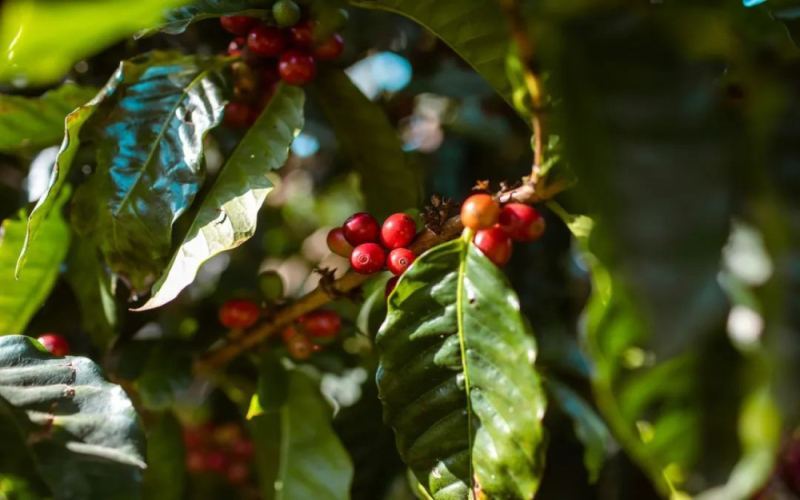
International Fair Trade Organization Upgrades Coffee Certification Standards to Fully Align with EU Deforestation Regulation
The international Fairtrade organization recently published revised coffee certification standards, aiming to meet or even exceed the various requirements of the EU Deforestation Regulation (EUDR). The new rules will cover all Fairtrade-certified coffee, not limited to products exported to the EU, and strengthen monitoring and reporting obligations for producer organizations and traders. The standard is expected to take effect in 2026, involving approximately 600 cooperatives, 870,000 coffee farmers, and 1.1 million hectares of cultivated land. To implement deforestation monitoring, Fairtrade has commissioned the Dutch company Satelligence to provide satellite data services. Meanwhile, the EUDR will take effect for large European companies between the end of 2024 and early 2025, and the coffee industry is actively adjusting to comply with this regulation. [more…]
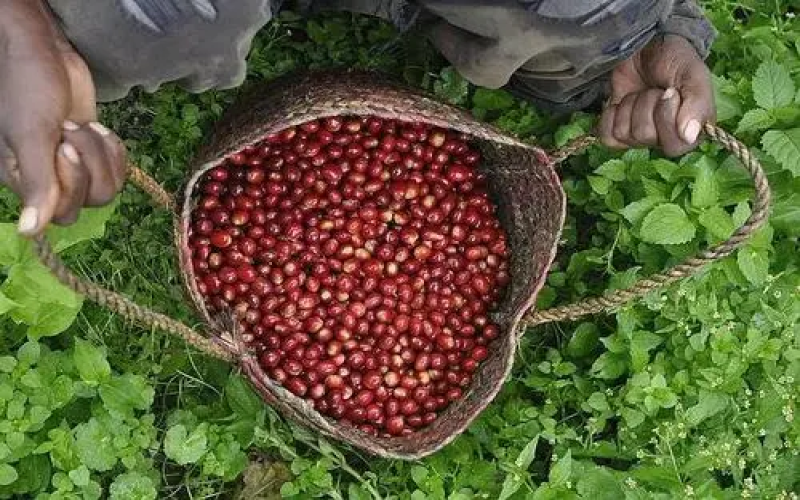
Kenya invests 6 billion shillings to revitalize the coffee industry, partnering with the Rainforest Alliance to promote EU compliance certification
Kenya's annual coffee production is approximately 51,000 metric tons, and the government is pursuing a series of strategic initiatives to raise this figure by 49,000 metric tons in order to better meet international market demand and strengthen the country's economic influence. To this end, the Kenyan government recently decided to allocate 6 billion shillings (approximately US$37.62 million) to support the Coffee Cherry Advance Revolving Fund and the production segment, with funding starting in Makueni County and gradually extending to 37 coffee-growing regions including Machakos, Kajiado, Taita Taveta, Kirinyaga, and Murang'a. Meanwhile, the Rainforest Alliance is also taking action in Kenya, partnering with the Gusii Coffee Farmers Cooperative Union to launch a regenerative agriculture landscape coffee project, helping local coffee obtain certification that meets global standards in order to address the export threshold brought about by the EU Deforestation Regulation (EUDR). Whether this series of measures can take Kenyan coffee a step further on the international stage is worth continued attention. [more…]
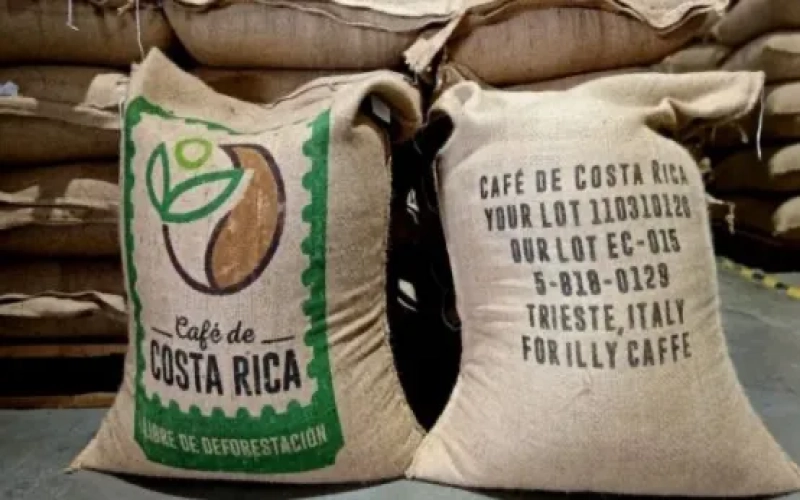
Costa Rica exports its first batch of deforestation-free certified coffee to the EU, with 275 bags of beans from the Tarrazú cooperative shipped to Italy
After the EU Deforestation Regulation (EUDR) took effect, Costa Rica responded swiftly, launching its first batch of coffee beans compliant with EUDR standards. This batch, totaling 275 bags of 60 kg each, comes from the Tarrazú cooperative, has been successfully sold, and will be shipped to Italy. The initiative, jointly driven by the United Nations Development Programme and the Costa Rican Coffee Institute, is seen as a key step for the country to adapt to climate change and secure its European market. Facing the dual pressures of declining production and competition from neighboring Central American countries, Costa Rica is seeking to boost its industry's competitiveness through green certification. Front Street Coffee continues to follow developments in global coffee-producing regions, bringing first-hand information to enthusiasts. [more…]

Kenya's Supreme Court Rules 2023 Finance Act Constitutional, Coffee Industry Faces Dual Challenges of Taxation and EUDR
Kenya's Supreme Court overturned the Court of Appeal's ruling on August 20, finding the 2023 Finance Act constitutional—a move that had previously sparked large-scale protests in the capital Nairobi and other regions. The act doubles the fuel value-added tax, introduces a housing levy, and raises the top personal income tax rate. The opposition and civil society groups expressed deep disappointment, fearing a further rise in the cost of living. For the coffee industry, the tax increases have pushed up production and transportation costs, squeezing profit margins; more seriously, the EU Deforestation Regulation (EUDR), set to take effect in January 2025, could deal a severe blow to Kenya's coffee exports. Currently, only about 30% to 40% of coffee is certified, while smallholder farmers are generally poorly informed about compliance requirements. Front Street Coffee will continue to monitor developments in the producing regions. [more…]

European Coffee Federation calls on EU to postpone implementation of EUDR deforestation-free regulation, citing concerns over pressure on smallholder farmers and market volatility
The EU's deforestation-free regulation (EUDR), introduced last June, is facing strong backlash from the coffee industry. The European Coffee Federation (ECF) recently wrote to the European Commission requesting a delay to the implementation deadline for large companies, originally set for the end of 2024, warning that the regulation could impose an unbearable burden on millions of smallholder farmers. ECF members include giants such as Lavazza, Illy, Nestlé, and Starbucks, and their joint letter directly points to inadequate regulatory preparation. Meanwhile, companies such as JDE Peet's have already begun taking action, but analysts worry that passing on compliance costs will disrupt the coffee market. This article will sort out the sequence of events and include relevant observations from Front Street Coffee. [more…]
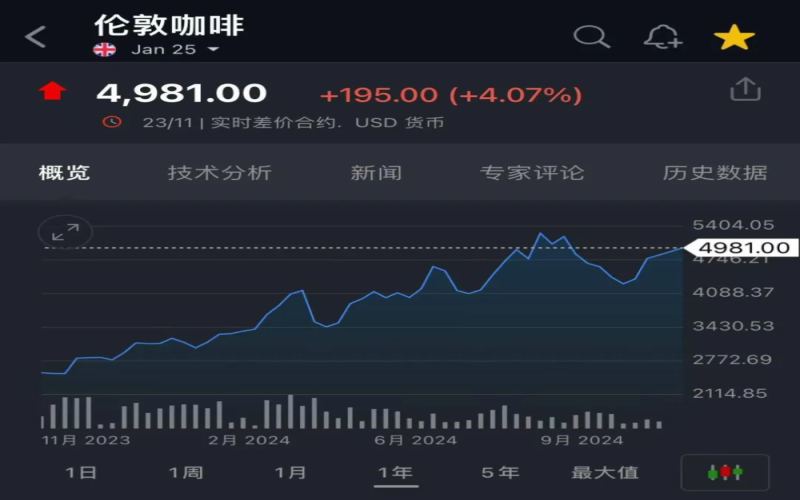
Vietnam's coffee crop failure pushes up Robusta prices, extreme weather and EUDR pose dual challenges to the industry
Recently, Arabica futures have continued to climb, hitting a 13-year high, with Robusta futures closely following, with prices approaching the $5,000 per ton mark. Behind this rally, the reduced coffee output in Vietnam has become a market focus. Although Vietnam's coffee export revenue hit a record high in the 2023/24 season, uncertainty brought by drought, typhoons, and the EU's zero-deforestation regulation is casting a shadow over this globally important Robusta-producing region. This article will review the current state of Vietnam's coffee production and sales, the impact of weather, and the main risks it faces in the future. [more…]
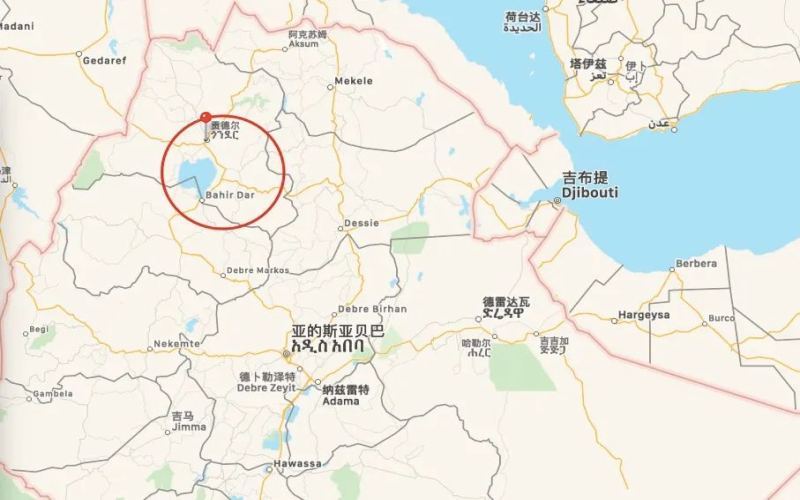
Drone airstrike in northern Ethiopia kills 60, coffee exports under pressure due to EUDR delay and security situation
The Ethiopian government has launched drone airstrikes in the Gondar region of Amhara State, killing more than 60 civilians. The local anti-government Fano militia says the airstrikes cannot reverse the defensive forces' passive position, but instead have won them more grassroots support. The conflict has left millions of students out of school, damaged medical facilities, blocked roads, and disrupted the country's agriculture and livestock sectors and prices. Although the southern coffee-growing regions have so far not been affected, exports face pressure from the delayed implementation of the EU's EUDR and falling international coffee prices. Ethiopia's prime minister says annual coffee production has doubled from 500,000 tons to more than 1 million tons over the past five years, but producers believe regional security is the top priority. [more…]
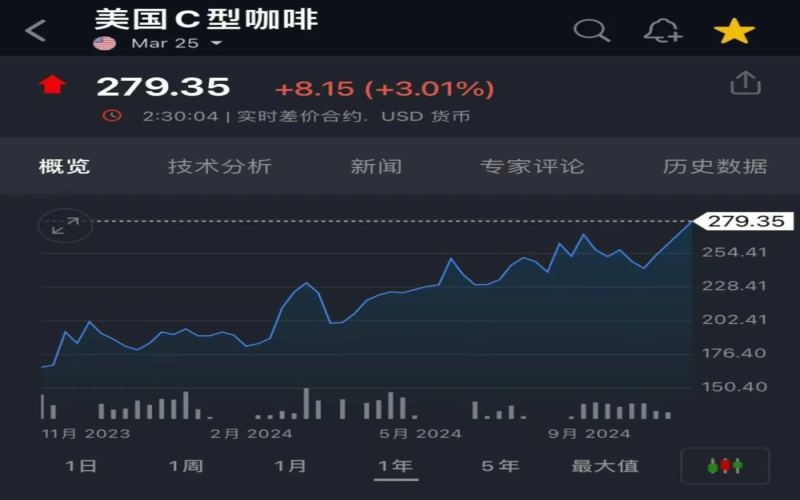
Coffee futures hit another record high: closing at 279.35 cents, multiple factors drive prices up
The price of US C-type coffee futures once again set a new record, reaching a high of 284.93 cents per pound and finally closing at 279.35 cents per pound. Behind this round of gains is a mix of multiple factors: drought and fires in major South American producing regions, the postponement of the EUDR regulation, the limited effect of Brazil's rainy season, the impact of the Atlantic hurricane season, the strengthening of the US dollar driven by the US election, and the Red Sea crisis together with rising container freight rates. Although the EU has already approved a one-year delay in the implementation of the EUDR, the market's concerns about tight global coffee supply have still not faded, and futures prices are expected to remain high in the short term. [more…]
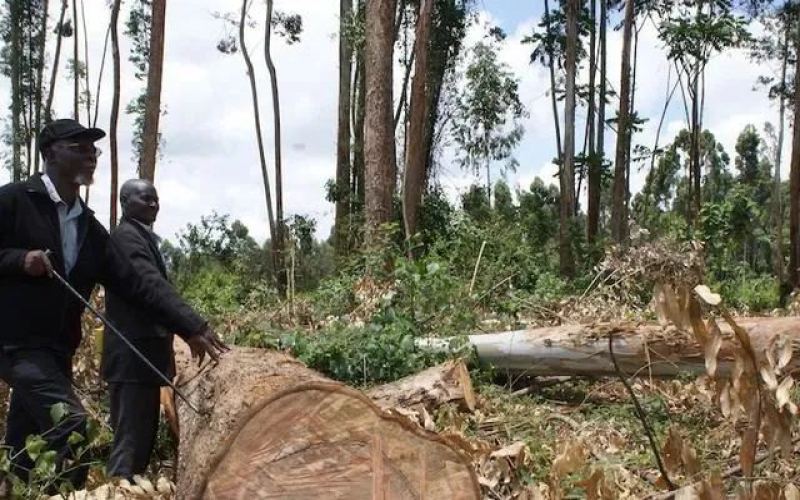
EU Deforestation Regulation Implementation Delayed, Kenyan Coffee Exporters Still Face Mounting Challenges
The European Parliament recently voted to postpone the implementation date of the EU Deforestation Regulation (EUDR) to December 2025, giving Kenyan coffee exporters an extra year of buffer time to adapt to the new rules. However, many exporters remain deeply worried, believing that under current conditions it will be very difficult to meet the EU's strict requirements. The EU is one of the most important overseas markets for Kenyan coffee, accounting for more than 20% of its total exports. Yet with Kenya's fragmented smallholder farmers, underprepared cooperatives, high compliance costs, and multiple pressures including stalled reforms, climate-related production declines, the Red Sea crisis, and port congestion, the outlook for this East African coffee-producing country is full of uncertainty. [more…]
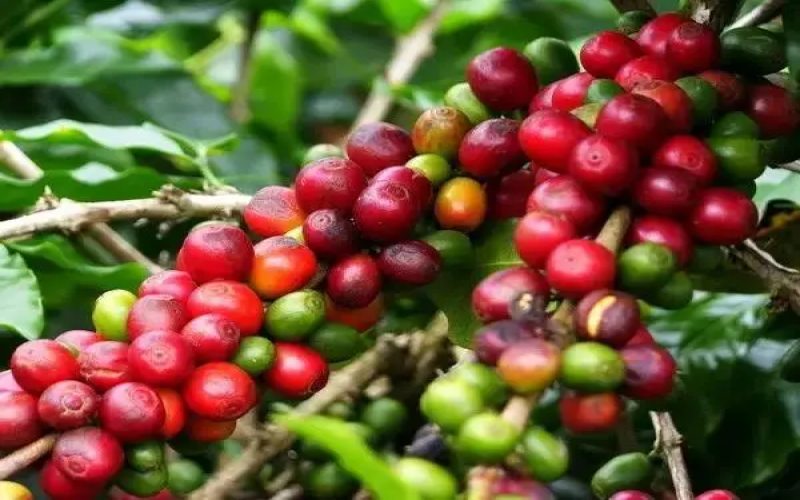
Ethiopia Partners with UNDP to Launch $20.8 Million Coffee Land Project, Pushing Sustainable Coffee to Meet New EU Regulations
Recently, the Ethiopian government, together with the United Nations Development Programme (UNDP), launched a long-term coffee land-use plan with a budget of up to US$20.8 million, aimed at curbing deforestation, promoting the sustainable development of the coffee industry, and helping local coffee comply with the EU Deforestation Regulation (EUDR). The project, named FOLUR, is part of a US$345 million global initiative funded by the Global Environment Facility (GEF) and is planned to run from 2024 to 2031. The project covers 22 districts across four major regions, including Oromia and Sidama, and aims to restore 10,500 hectares of non-productive coffee forests and 60,000 hectares of key forest land, while improving the livelihoods of about 440,000 people. This move is not only related to the lifeline of Ethiopia's coffee exports—which account for 30-35% of its export earnings—but also provides key support for responding to the EUDR regulations that the EU is about to bring into effect. [more…]
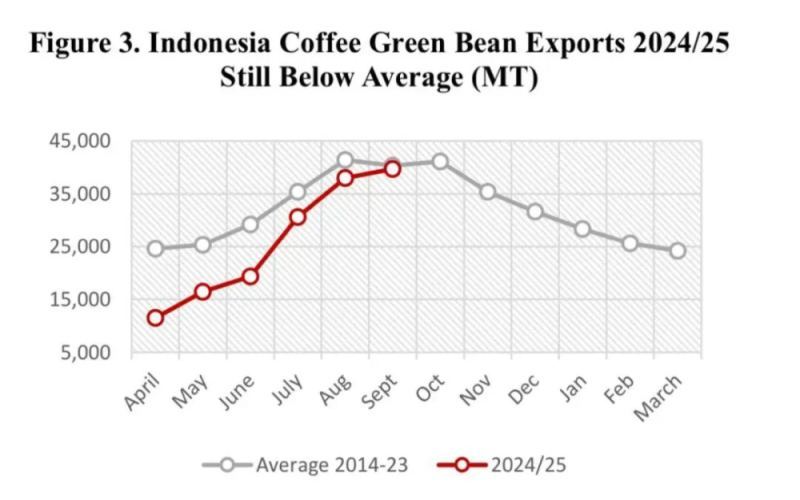
Indonesian Coffee Production Expected to Rebound to 2.4 Million Bags: Analysis of Export and Domestic Demand Trends
The latest report from the United States Department of Agriculture shows that Indonesia's total coffee production for 2024/25 is expected to increase by about 2.4 million bags (60 kg/bag) compared with the previous year, but the overall recovery remains below expectations, with production revised down by 8% year on year. Affected by strong domestic demand, the volume available for export is expected to fall by 12% to 5.2 million bags, though this is still 18% higher than exports in 2023/24. Recovery has been slow in the Robusta-producing areas of southern Sumatra, while the Arabica-producing areas of northern Lintong have suffered heavy rainfall and secondary disasters. Domestic purchasing power is weak, and consumption growth is less than 1%. The European Union had increased purchasing because of the EUDR regulations, but later postponed implementation for one year. Production in Vietnam and Brazil is unstable, and coffee prices remain high. Front Street Coffee will continue to monitor developments in producing regions. [more…]
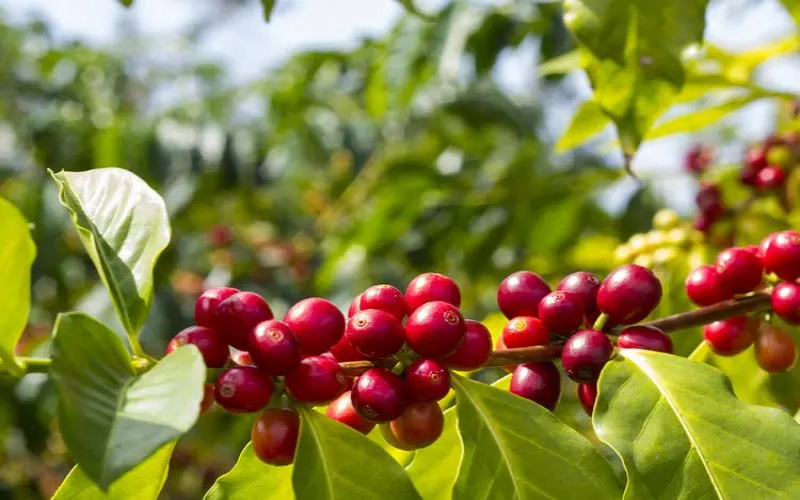
El Niño hits African coffee production capacity, EU deforestation-free regulation worsens import challenges
Extreme weather triggered by El Niño is continuing to batter coffee-growing regions worldwide. After several Central American countries, African coffee-producing nations have not been spared either. Uganda saw its November coffee exports fall 4.8% year-on-year as heavy rains delayed harvesting and disrupted drying processes. Meanwhile, the European Union has officially rolled out its Deforestation Regulation (EUDR), requiring importers to trace the origin of commodities such as coffee and conduct due diligence, or else face fines or a ban on market access. This regulation has led European importers to scale back purchases from smallholder farmers in Africa, leaving roughly 5 million coffee-dependent farming households in Ethiopia facing the prospect of dwindling orders. Industry insiders point out that the high cost and difficulty of compliance could further drive up prices for EU consumers while undermining the actual effectiveness of forest protection. This article examines the dual pressures of weather and policy to outline the export and market challenges currently facing Africa's coffee industry. [more…]
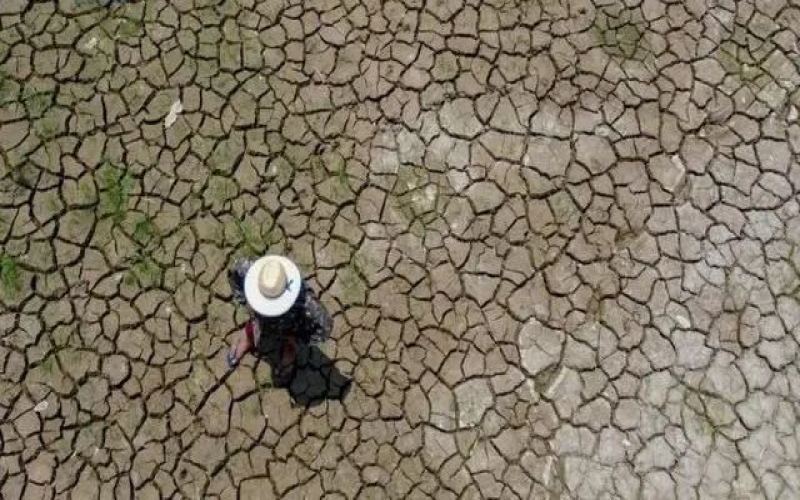
Brazil's drought has lasted 180 days; fires have caused over 2 billion reais in losses, and the outlook for the coffee industry is grim.
Since the start of spring in September, Brazil's drought and fire situation has not eased but has instead continued to worsen. Multiple cities in Minas Gerais have gone without rain for a long time, and the Bom Despacho waterfall has even dried up; after briefly bringing fires under control, São Paulo state has seen 12 cities hit by fires again, with initial agricultural losses estimated at 2 billion reais. At the same time, large areas of smoke have caused air quality to plummet, and Brazil's meteorological agency has warned that five states will experience "black rain." The number of fires in Rio de Janeiro state has surged by more than 95% year-on-year, and nearly 4,000 cities nationwide face the threat of drought. The Brazilian government has sent a letter to the European Union requesting a postponement of the deforestation-free regulation (EUDR) set to take effect at the end of the year, but international coffee prices are still climbing, and Brazil's coffee industry is deeply worried about production and export prospects for the new crop season. [more…]
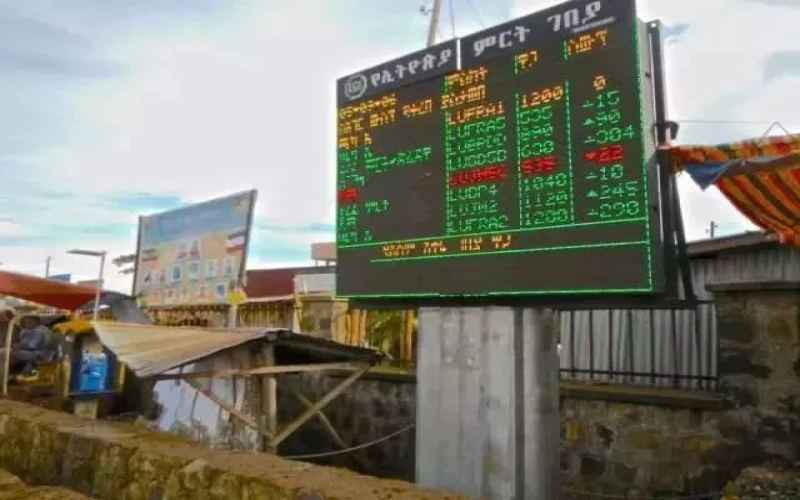
Ethiopia's Coffee Export Pricing Shifts to a Floating Mechanism, Green Bean Prices May Rise
The Ethiopia Commodity Exchange is implementing a brand-new pricing method for green coffee exports. From now on, green coffee prices will be calculated weekly by referencing Arabica futures on the New York ICE Intercontinental Exchange and the real-time exchange rate of the Commercial Bank of Ethiopia. This change is expected to allow local coffee farmers to share in more of the benefits, but it also faces a dual test from international futures volatility and the EU's EUDR regulations. The new mechanism applies only to commercial coffee beans, while specialty coffee is not included for the time being. Front Street Coffee will continue to follow developments in producing regions and bring first-hand information to enthusiasts. [more…]
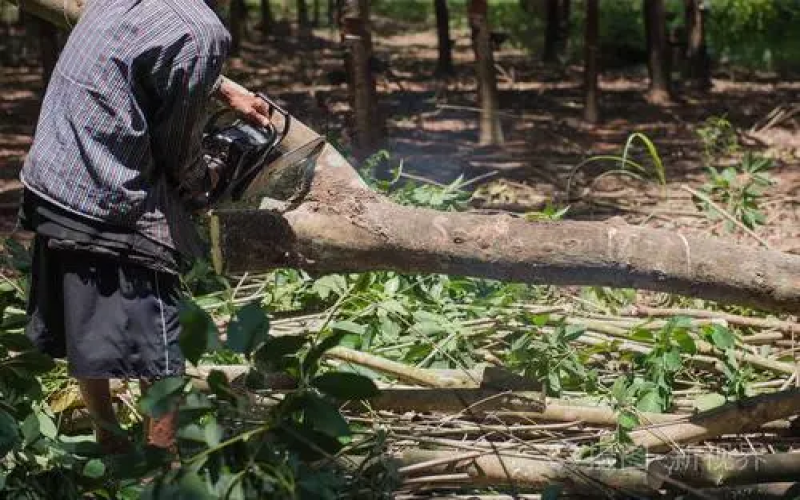
EU Deforestation Regulation Hits East Timor's Smallholder Coffee Farmers, Compliance Struggles May Trigger Global Market Supply Imbalance
The European Union's upcoming zero-deforestation regulation (EUDR), set to take effect in 2025, requires imports of seven categories of agricultural products, including coffee, to prove they are not linked to deforestation. This environmental milestone could, however, place a heavy burden on smallholder countries that depend on coffee exports. Take East Timor as an example: coffee accounts for more than 90% of its non-oil export earnings, sustaining the livelihoods of 77,000 rural households, and the EU is its largest market. Yet the complex local land tenure, scattered smallholder plots, lack of GPS mapping capacity, and high illiteracy rate make it difficult for the vast majority of coffee farmers to meet compliance requirements. This not only threatens East Timor's coffee industry but could also lead to non-compliant coffee flooding the global market, driving down prices and worsening the plight of smallholders. [more…]
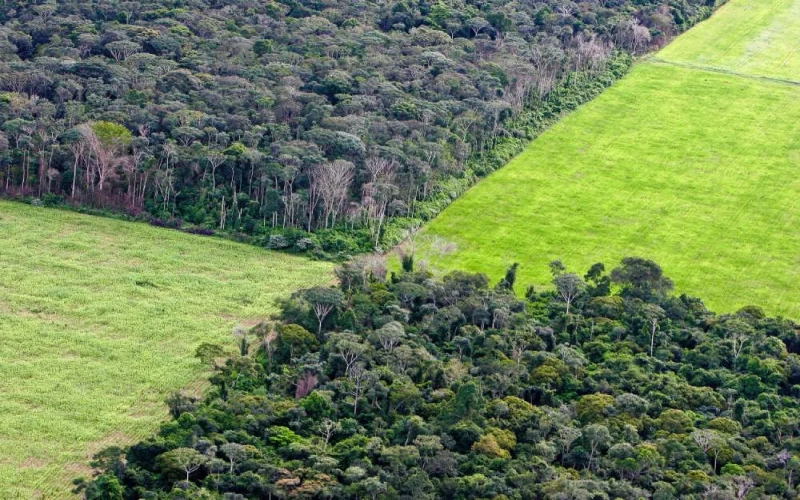
EU Proposes Postponing Deforestation Regulation Implementation and Considering Country-Risk Classification Management
The EU plans to postpone the deforestation regulation (EUDR) originally scheduled to take effect at the end of 2024, and intends to classify countries by risk level, giving producers and traders more time to adapt. The regulation requires traders to prove that their product supply chains do not involve deforestation after December 30, 2020, otherwise imports will be banned. As an industry closely linked to deforestation, the coffee sector will be significantly affected in producing countries such as Vietnam, Brazil, Indonesia, and Colombia, with export costs likely to rise substantially. The European Coffee Federation previously wrote to the European Commission requesting a postponement of implementation. The EU is currently discussing classifying exporting countries into three risk levels—low, standard, and high—with high-risk countries facing stricter scrutiny. Industry insiders worry that the classification system lacks flexibility, may unfairly penalize compliant exporters, and that small farms also face the risk of losing market access. Front Street Coffee will continue to monitor the progress of this regulation and its impact on the coffee industry chain. [more…]
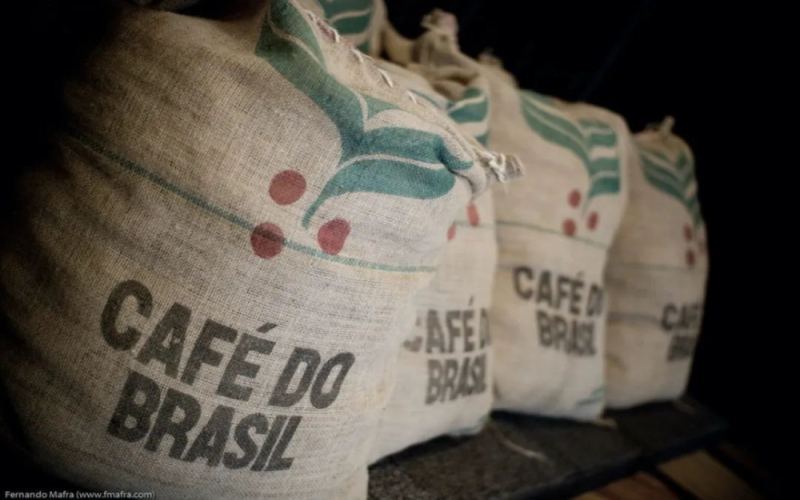
Brazilian Arabica Production Expected to Drop Over 10%, Drought and Extreme Weather Continue to Disrupt the New Crop Season
StoneX has released its first estimate for Brazil's 2025/26 coffee crop, projecting total production at approximately 65.6 million bags, a slight decrease of 0.4% from the previous year. Arabica is expected to decline by 10.5% to 40 million bags, while Robusta is forecast to increase by 20.9% to 25.6 million bags, though the gain in Robusta will not be enough to offset the shortfall in Arabica. The decline is mainly attributed to unfavorable weather in Minas Gerais and São Paulo: first severe drought, followed by storms and strong winds. Soil moisture deficit in Minas Gerais reached its second-highest level on record, with October rainfall far below normal, and future hot and dry conditions may continue to affect the fruit-setting stage. Meanwhile, improved rainfall in Espírito Santo is benefiting Robusta. The European Parliament's decision to delay EUDR implementation by one year also provides a buffer period for Brazil's coffee exports. [more…]

Ethiopia Deploys 40,000 Troops to Crush Fano Insurgents, Coffee Industry Faces Dual Test of Costs and Exports
The Ethiopian federal government has recently deployed approximately 40,000 additional troops to the Amhara region, launching a new large-scale military operation against Fano armed forces. Intense clashes have erupted in multiple areas, disrupting urban transportation and leaving residents trapped in their homes. The conflict has lasted for over a year, causing heavy casualties and severely impacting local agricultural and livestock production as well as logistics and transportation. As a major coffee-producing country in Africa, Ethiopia is facing multiple challenges, including currency depreciation, rising cultivation costs, and compliance pressure from the EU Deforestation Regulation (EUDR). This article will review the latest developments in the conflict and their potential impact on the coffee supply chain. [more…]
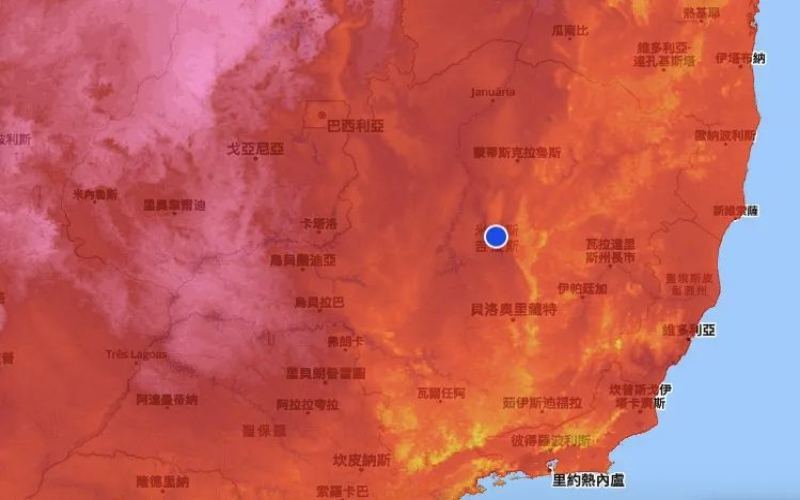
Brazil's drought may persist into 2025, coffee-growing regions face a severe test
Brazil is experiencing its worst drought in seventy years, with the major coffee-growing states of São Paulo and Minas Gerais hit especially hard. Wildfires have consumed large numbers of coffee plantations, with some estates losing nearly half their harvest, and the agriculture department estimates losses exceeding 2 billion reais. At the same time, Brazil's coffee exports hit a record high in August, driven mainly by stockpiling demand ahead of the EU's imminent implementation of the EUDR. Rabobank expects coffee prices to remain high through the end of the year, while the production outlook for the next crop season is full of uncertainty. This article will review the drought's comprehensive impact on Brazil's coffee industry and follow Front Street Coffee's ongoing tracking of developments in the producing regions. [more…]
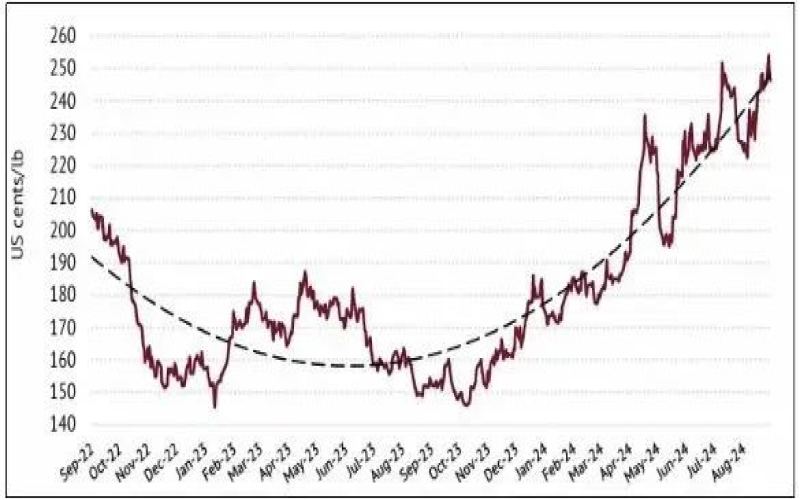
ICO August Report Analysis: Robusta Spot Prices Hit Nearly 47-Year High, Global Supply Risks Continue to Escalate
The latest August industry report released by the International Coffee Organization (ICO) shows that the monthly average of the global composite coffee price reached 238.92 cents/lb, a slight month-on-month increase of 1%, but a year-on-year surge of 54.6%, with prices fluctuating between 222.58 and 254.12 cents during the month. Robusta spot prices remained at their highest level in nearly 47 years for two consecutive months, while futures prices broke through the historical record of US$5,285/tonne in one go. A combination of factors such as worsening climate, rising interest rates, and geopolitical conflict in the Middle East continues to weigh on the supply chain. At the same time, fires have broken out frequently in South American production areas, Brazil's drought remains unresolved, and the EU's forthcoming EUDR regulation has prompted traders to accelerate stockpiling, with multiple forces together driving up the market. Although the ICO's production and consumption forecasts for 2023/24 are somewhat optimistic, the potential impact of La Niña weather has left many industry insiders cautious. [more…]